It’s a good year to be shopping for a compact SUV. Two of the segment’s strongest contenders have entered new generations, raising the bar for design, tech, and performance. We’re talking about the perennial Toyota RAV4 and the freshly overhauled Mazda CX-5, two Japanese rivals that consistently capture the attention of buyers in the US and throughout the world.
Mazda has rolled out the fourth generation of the CX-5 just as Toyota revealed the sixth generation of the RAV4. While we wait to test them behind the wheel, there’s already plenty to unpack. Here’s an early side-by-side look using official specs, images, and other available details.
Design: Sporty Meets Rugged
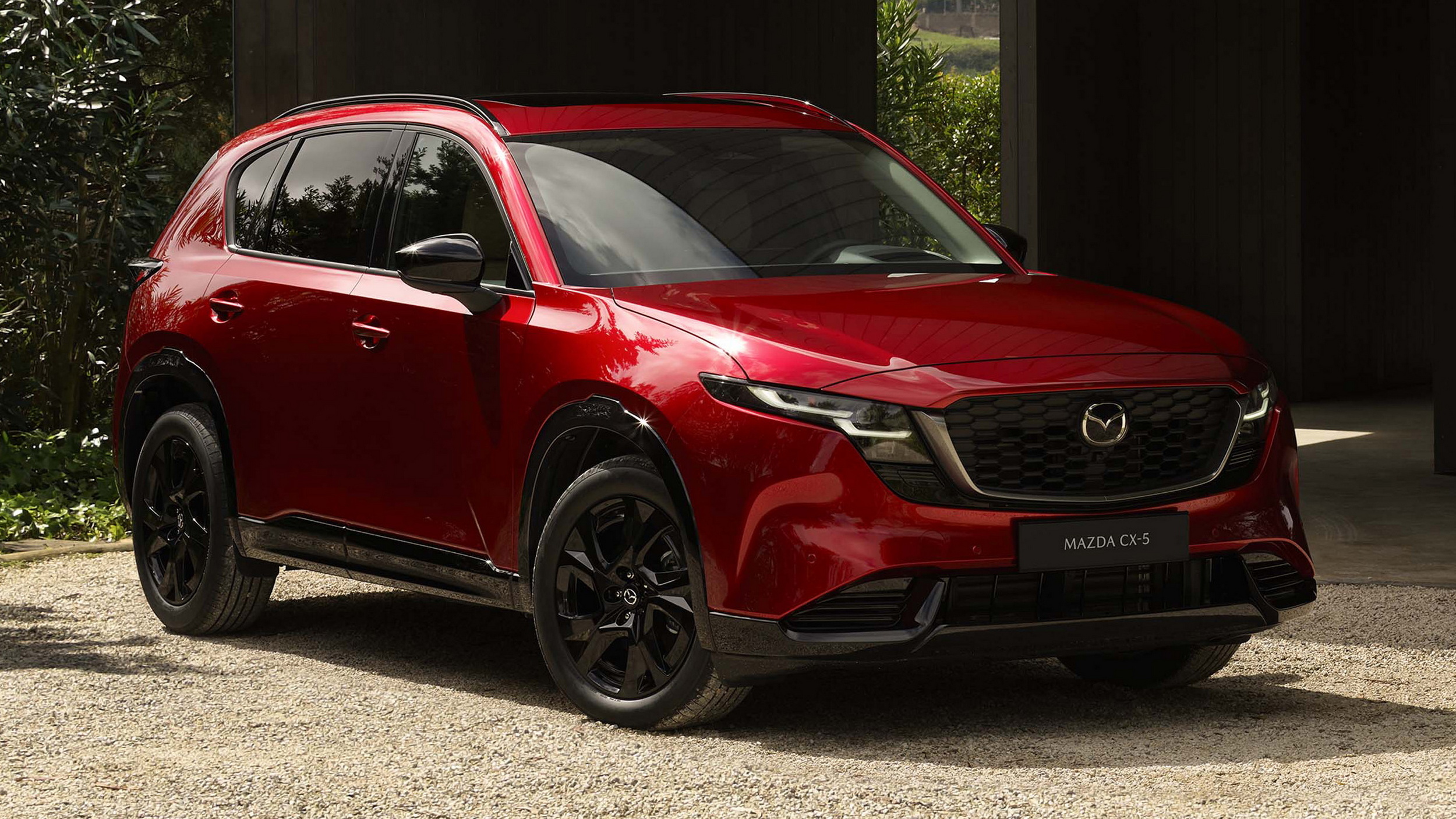
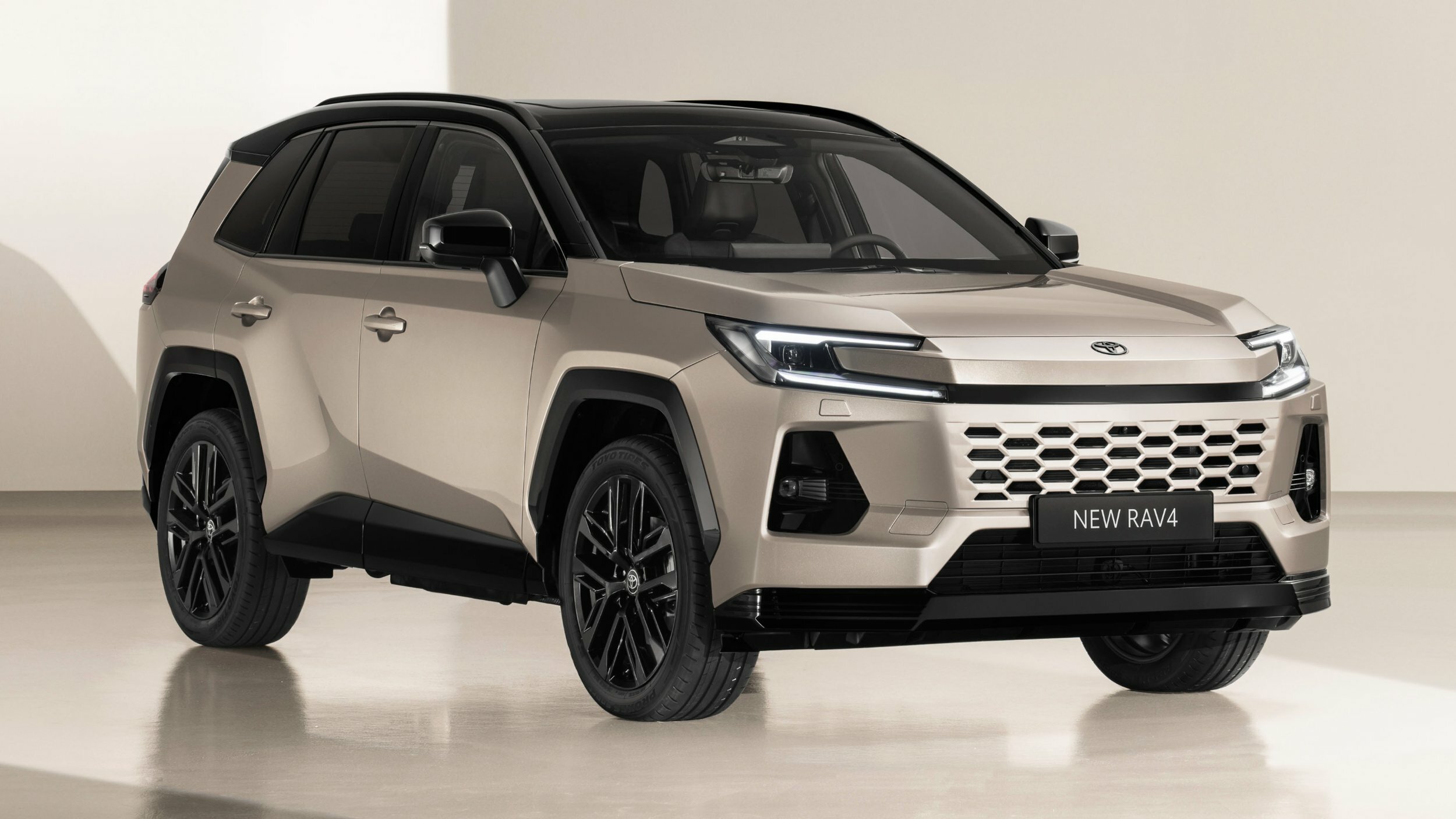
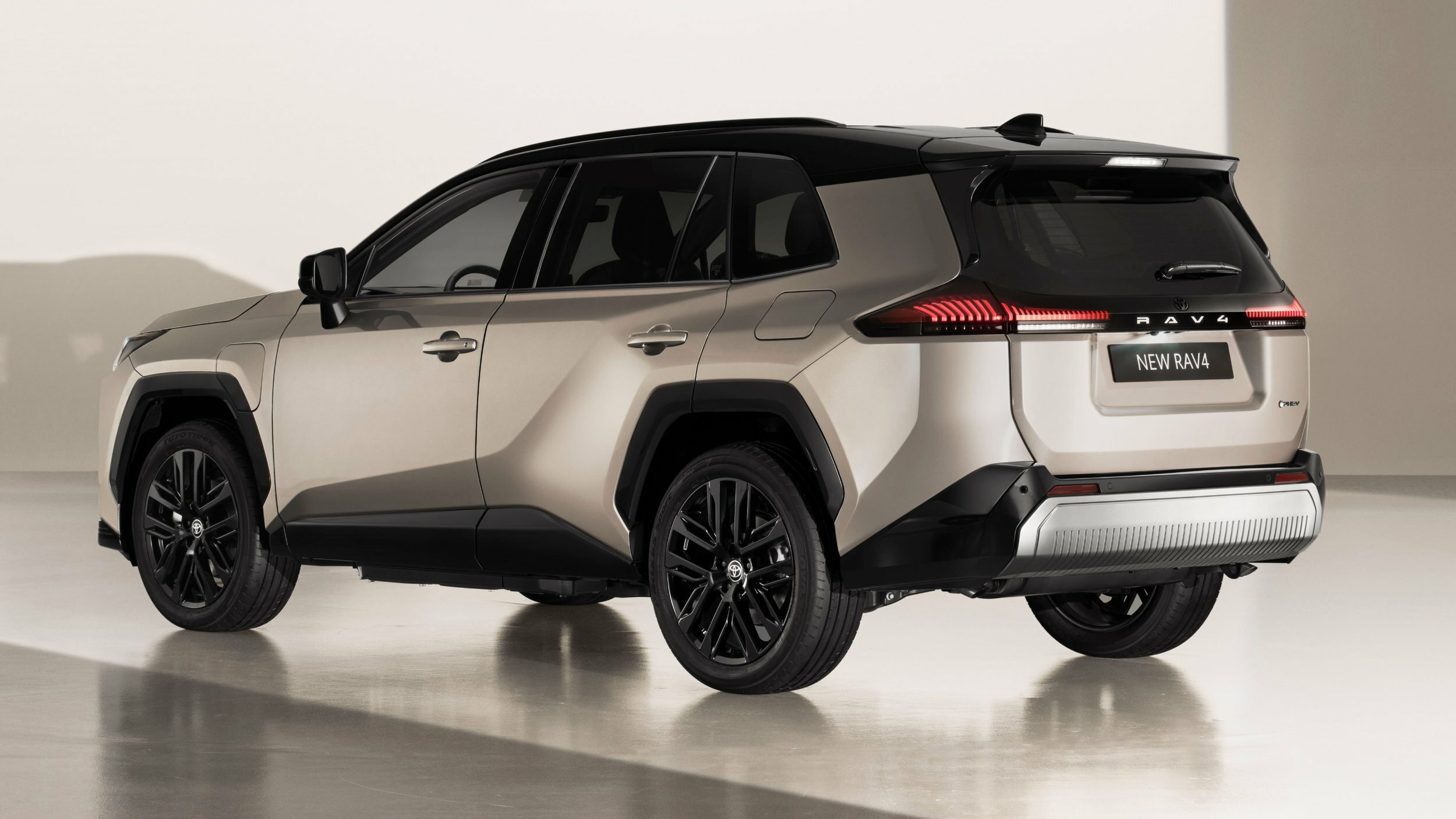
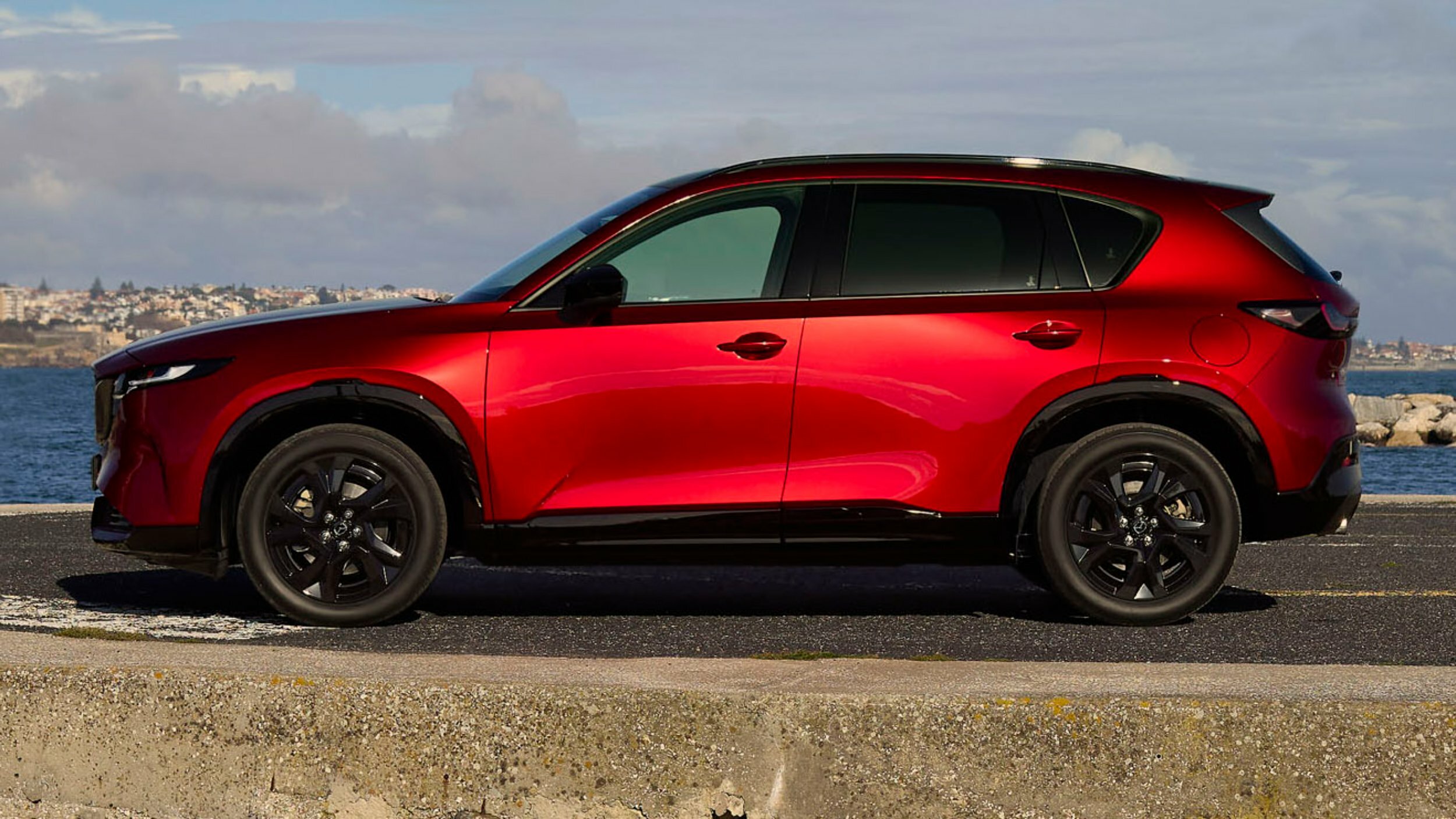
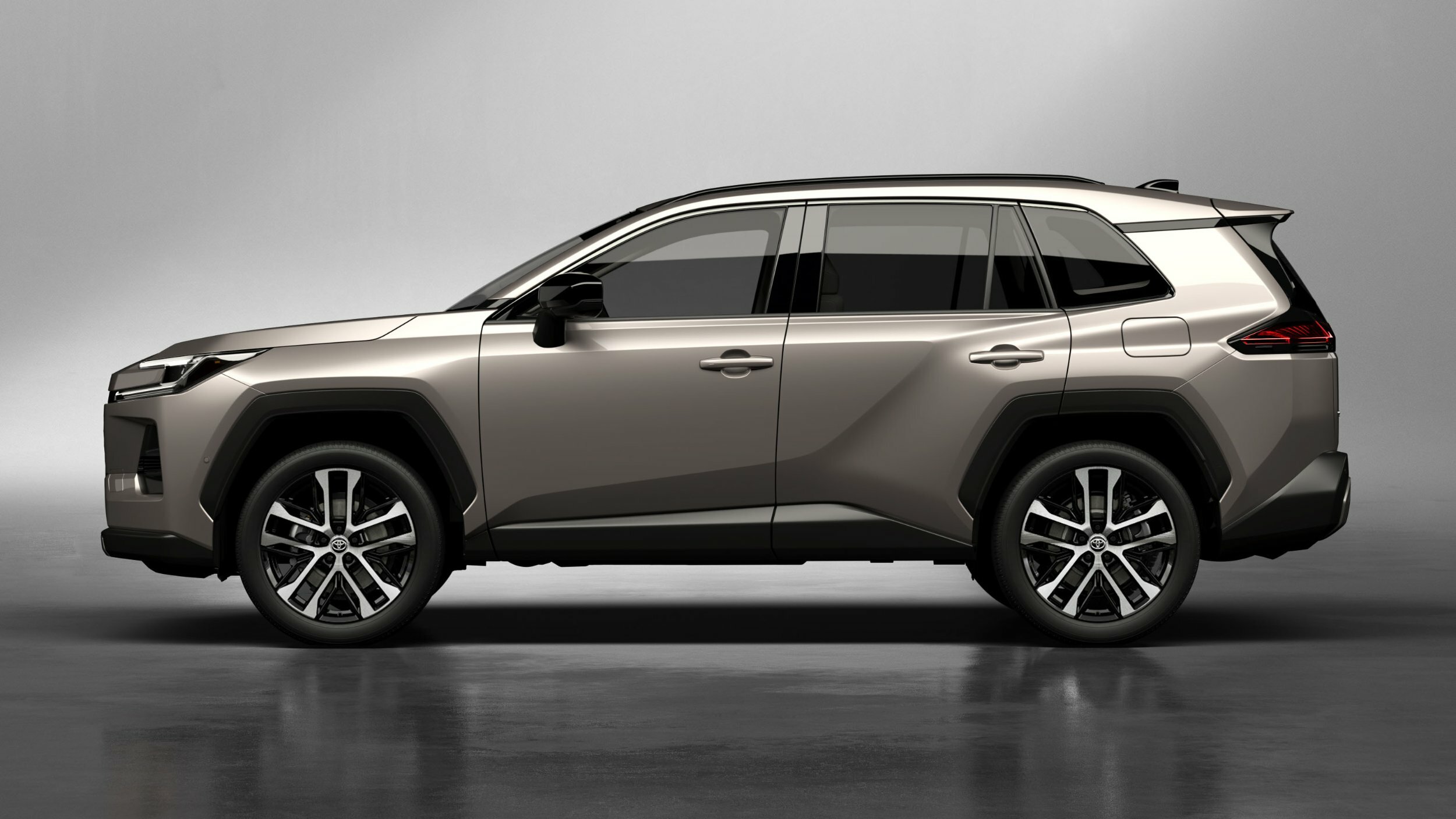
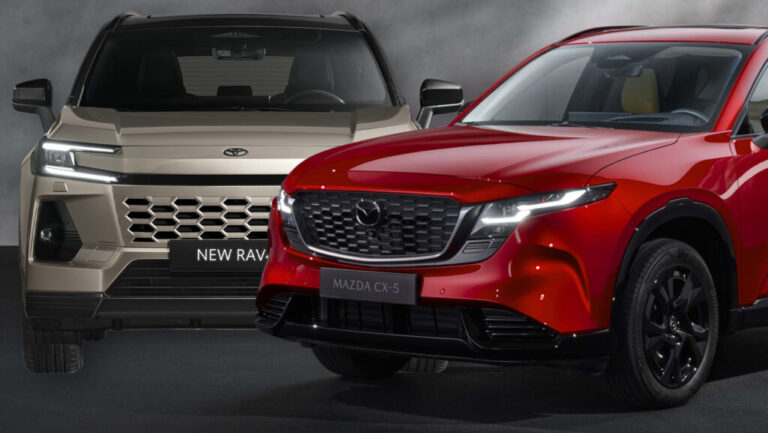
Starting with the exterior, it is obvious that the design departments of the two brands explored different themes. The new CX-5 leans into a more athletic, coupe-like look with sweeping lines and a low-slung stance, staying true to Mazda’s evolving Kodo design language. The RAV4, meanwhile, embraces sharper edges, a boxier shape, and an upright front end that gives it a tougher, more utilitarian feel.
More: New RAV4, See Every Angle And Hidden Detail
Toyota has also placed more emphasis on personalization this time around, offering three visual themes for the RAV4: Core, Woodland, and GR Sport. Mazda takes a simpler route, keeping the trim differences relatively subtle. Wheel sizes also reflect these priorities. The RAV4 GR Sport rides on 20-inch alloys, while the largest wheels available on the CX-5 (for now) measure 19 inches.


The new CX-5 has grown noticeably compared to its predecessor, now measuring 183.6 inches (4,663 mm) in length with a stretched wheelbase of 109.3 inches (2,776 mm). The RAV4, on the other hand, sees only minor changes, measuring between 180.9 and 181.8 inches (4,595 to 4,618 mm) depending on the variant, with an unchanged 105.9-inch (2,690 mm) wheelbase. In short, the Mazda now has a slightly larger footprint than the Toyota, a shift from previous generations.
Interior: Tech-Forward and Family Ready
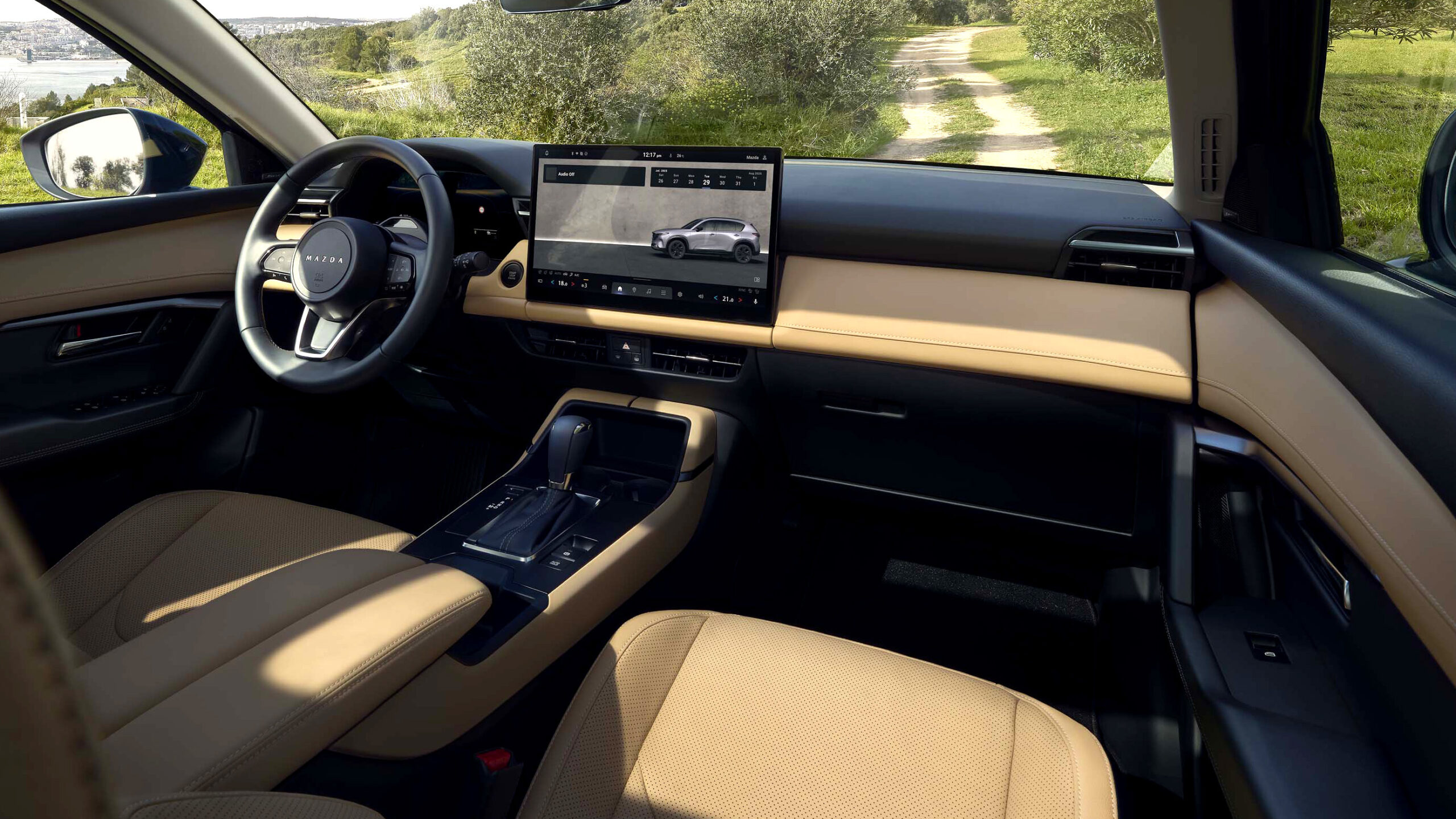
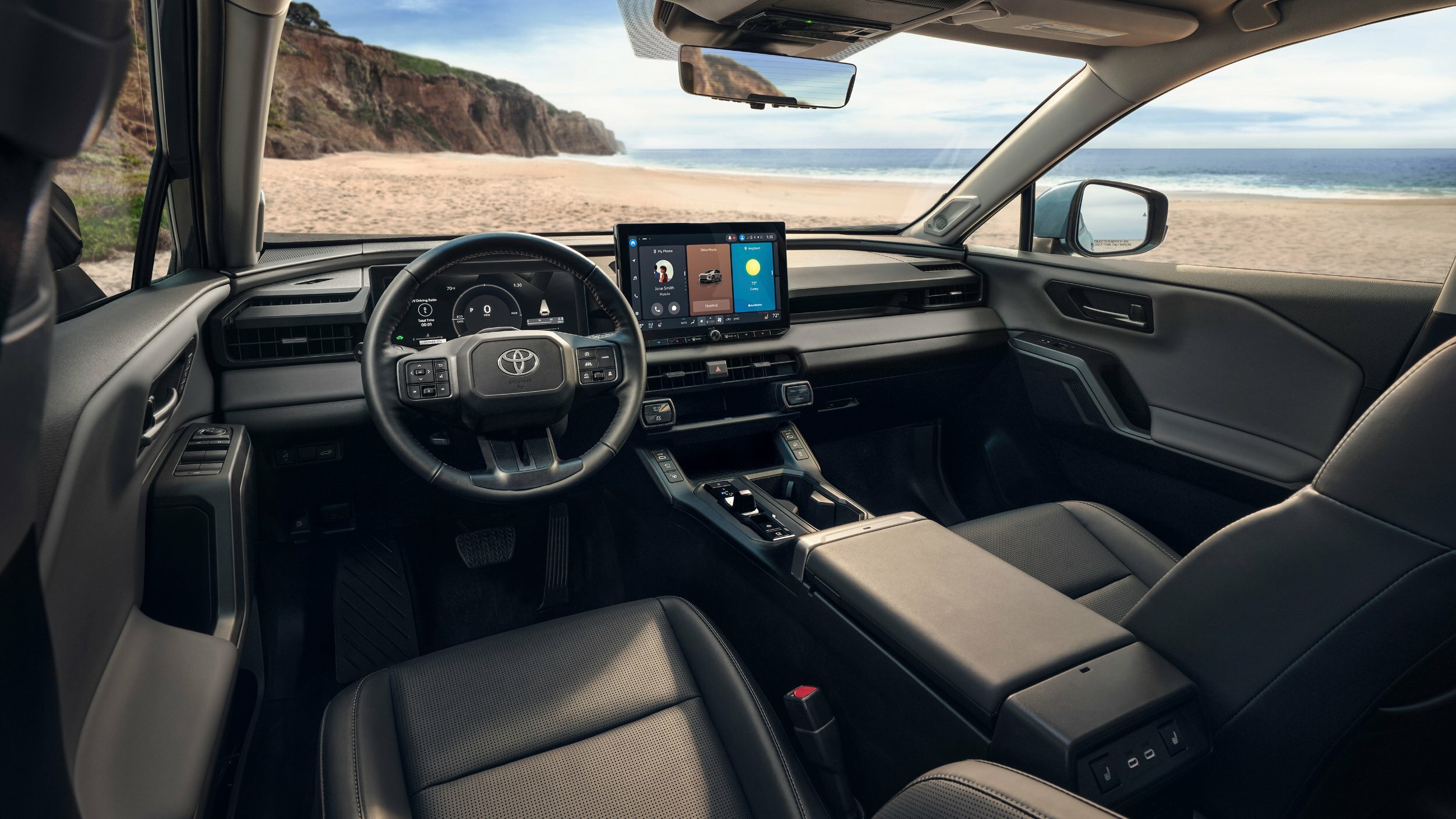
Inside, both SUVs have taken cues from their most recent siblings, bringing in new technology and updated designs aimed at modern families. Toyota fits the RAV4 with a freestanding touchscreen up to 12.9 inches, running the company’s new Arene operating system. Mazda ups the ante with a massive 15.6-inch touchscreen powered by Google built-in, the largest infotainment display they ever offered in the West.
More: Toyota’s Baby Land Cruiser Could Arrive As Soon As Next Spring
Both five-seater cabins are designed with practicality in mind, as the main target group is young families. From the photos, the Mazda looks more premium, getting closer to its larger CX-70 and CX-90 stablemates in terms of interior design, while the RAV4 looks ready for adventure.
The CX-5’s increased dimensions should translate to more room for passengers and cargo. However, Mazda hasn’t yet released cargo volume figures, so it’s unclear if it will match the Toyota RAV4’s spacious 749 liters (26.5 cubic feet) of trunk capacity.


Powertrains: Hybrid Now or Later
The 2026 Toyota RAV4 comes exclusively with electrified powertrains, while the 2026 Mazda CX-5 will launch with a traditional gasoline engine, with a hybrid variant set to follow in 2027. Both models are built on updated versions of their previous platforms, meaning neither is a ground-up redesign.
The RAV4 Hybrid produces 226 hp (229 PS) with front-wheel drive or 236 hp (239 PS) with all-wheel drive. The plug-in hybrid RAV4 Prime tops the chart with 320 hp (324 PS), all powered by a 2.5-liter four-cylinder engine paired with electric motors.
More: Mazda Slashes $3.3B From EV Plans, Confirms Hybrid SkyActiv-Z Engine For New CX-5
Mazda’s initial offering is a 2.5-liter SkyActiv-G four-cylinder engine, carried over from the previous generation, producing 187 hp (139 kW / 190 PS). It comes with a six-speed automatic and standard i-Activ all-wheel drive. The upcoming hybrid system, based on Mazda’s new SkyActiv-Z engine, promises notable improvements in both performance and efficiency.
Sales: The Numbers Tell the Story
Both the RAV4 and CX-5 are the best-selling vehicles for their respective brands, but the sales gap is significant. In 2024, the outgoing Toyota RAV4 was the world’s top-selling passenger vehicle, with 1,187,000 units sold globally, including 475,193 in the US. In comparison, Mazda sold 345,209 CX-5s worldwide and 134,088 in the US.
These figures point to strong momentum for both models, and with notable improvements in design, interior features, and underpinnings, the new versions are well positioned to maintain their popularity.


Other Rivals
The compact SUV space remains fiercely competitive. In addition to the RAV4 and CX-5, buyers have plenty of choices, including the Honda CR-V, Nissan Rogue, Subaru Forester, Volkswagen Tiguan, Chevrolet Equinox, GMC Terrain, Hyundai Tucson, Kia Sportage, and Ford Escape.
More: Everything We Know About The 2026 Mazda CX-6e
For those looking to step up in price and features, there are premium alternatives such as the BMW X1, Mini Countryman, Audi Q3, Volvo XC40, Mercedes GLB, and Cadillac XT4.
Pricing and Availability
Neither Toyota nor Mazda announced pricing for their new models yet. For reference, the 2025 model year CX-5 starts at $28,770, while the RAV4 begins at $29,550. It remains to be seen how pricing will change for 2026.
As for timing, Toyota’s new RAV4 is expected to arrive in US showrooms before the end of 2025. Mazda will follow with the CX-5 in early 2026, and the hybrid version will debut later that year or in early 2027.